Behind the Pass: How Greer's Kitchen and Cellar Collaborate to Create Unforgettable Dining Moments
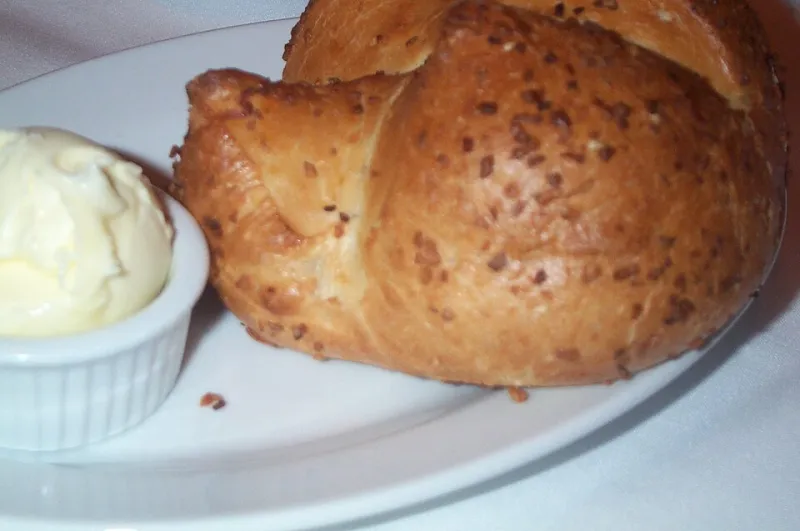
Photo: stu_spivack, CC BY-SA 2.0, via Wikimedia Commons
There is a particular kind of satisfaction that comes from a meal where every element feels inevitable — where the wine in the glass seems to have been waiting its entire existence for the dish before you. At Greer Country Club, that sensation is not accidental. It is the product of a deliberate, ongoing conversation between the kitchen and the cellar, one that begins long before a single plate reaches the dining room.
The process, understated by design, reflects the club's broader philosophy: that true hospitality is felt rather than announced.
A Partnership Forged in Seasons
Every menu revision at Greer begins with a meeting that most members will never witness. Executive Chef Marcus Aldridge and the club's dining team gather weeks before a seasonal transition, spreading ingredient lists, producer notes, and wine inventories across the kitchen's planning table. The conversation is rarely linear.
"We don't start with a dish and then find a wine, and we don't start with a wine and build backward," Chef Aldridge explains. "We start with what the season is telling us. A late-autumn menu wants something entirely different from what we'd put together in May. The wine and the food have to arrive at the same answer independently, and then we bring them together."
This seasonal attunement shapes everything from protein selections to the weight of sauces, the acidity of dressings, and the char applied to vegetables. The kitchen team sources produce from regional farms and purveyors whose offerings align with what the cellar holds in meaningful quantity — a discipline that prevents the common pitfall of pairing novelty ingredients with wines that simply have no counterpart.
The Language of Complementary and Contrast
One of the more nuanced aspects of Greer's pairing philosophy is its deliberate use of both harmony and tension. The prevailing wisdom in food-and-wine circles long favored complementary pairings — rich dishes with full-bodied reds, delicate seafood with crisp whites. Greer's culinary team honors that tradition while recognizing its limitations.
"Contrast can be just as powerful," says Sous Chef Diane Whitmore, who oversees much of the menu's daily execution. "A slightly bitter green, a bright citrus reduction alongside a fatty cut of duck — these things create contrast on the palate, and when the wine introduces its own acid or tannin, suddenly the whole plate comes alive in a way that pure harmony never achieves."
This philosophy manifests in some of the kitchen's most celebrated recent offerings. A pan-seared halibut with a fennel and Meyer lemon beurre blanc, served alongside a Burgundian Chardonnay with just enough oak to soften the citrus, exemplifies the team's commitment to layered complexity. Likewise, a dry-aged prime rib paired with a structured Napa Cabernet Sauvignon — a pairing that might seem conventional — is elevated by a red wine reduction that intentionally mirrors the wine's profile, creating a seamless bridge between glass and plate.
Bringing the Staff Into the Conversation
What distinguishes Greer's approach from that of many comparable establishments is the deliberate investment in educating the entire dining staff, not merely the senior kitchen personnel. Before any new seasonal menu launches, the team conducts tasting sessions that include servers, dining room managers, and event coordinators.
"Our members ask questions," notes Dining Room Manager Thomas Holt. "They want to understand why a particular Grenache appears alongside a certain preparation of lamb rather than the Syrah they might have expected. If the person presenting the dish can explain that thoughtfully, the meal becomes a conversation rather than a transaction."
These sessions are as much about storytelling as technical knowledge. Staff are encouraged to understand the provenance of a wine, the conditions of a particular vintage, and the reasoning behind a pairing decision. The goal is confidence — the quiet assurance that allows a server to guide a member toward an experience rather than simply deliver an order.
Signature Dishes on the Horizon
As the club prepares for its winter dining calendar, the kitchen has developed several dishes conceived specifically to showcase selections from the cellar's premium reserves. Among the most anticipated is a slow-braised short rib with a black truffle jus and celery root purée, designed to accompany a small-production Châteauneuf-du-Pape that has been resting in the club's inventory for three years awaiting precisely this kind of occasion.
A second standout is a seared diver scallop with a parsnip velouté and micro-herb garnish, paired with a coastal Oregon Pinot Gris whose mineral finish and restrained fruit profile the kitchen team identified as the ideal counterpoint to the scallop's natural sweetness.
"There are bottles in that cellar that have been waiting for the right moment," Chef Aldridge says with evident satisfaction. "Part of our responsibility is making sure they find it."
The Standard That Members Deserve
For Greer's membership, the dining room has always been more than a place to eat. It is where business relationships are deepened, milestones are celebrated, and the unhurried pleasures of a well-appointed life are savored. The collaboration between kitchen and cellar is, at its core, an expression of respect for that tradition.
Every pairing decision, every staff training session, every early-morning conversation over ingredient lists represents the club's conviction that excellence is not a destination but a practice — one renewed with each season, each menu, and each glass raised at a table set with care.